The Role of the Responsibility to Protect (R2P) in Managing Ethnic Violence in South Sudan's Civil Conflict
DOI:
https://doi.org/10.20956/hjsis.v3i2.43643Kata Kunci:
South Sudan, International Organization, Conflict, Responsibility to ProtectAbstrak
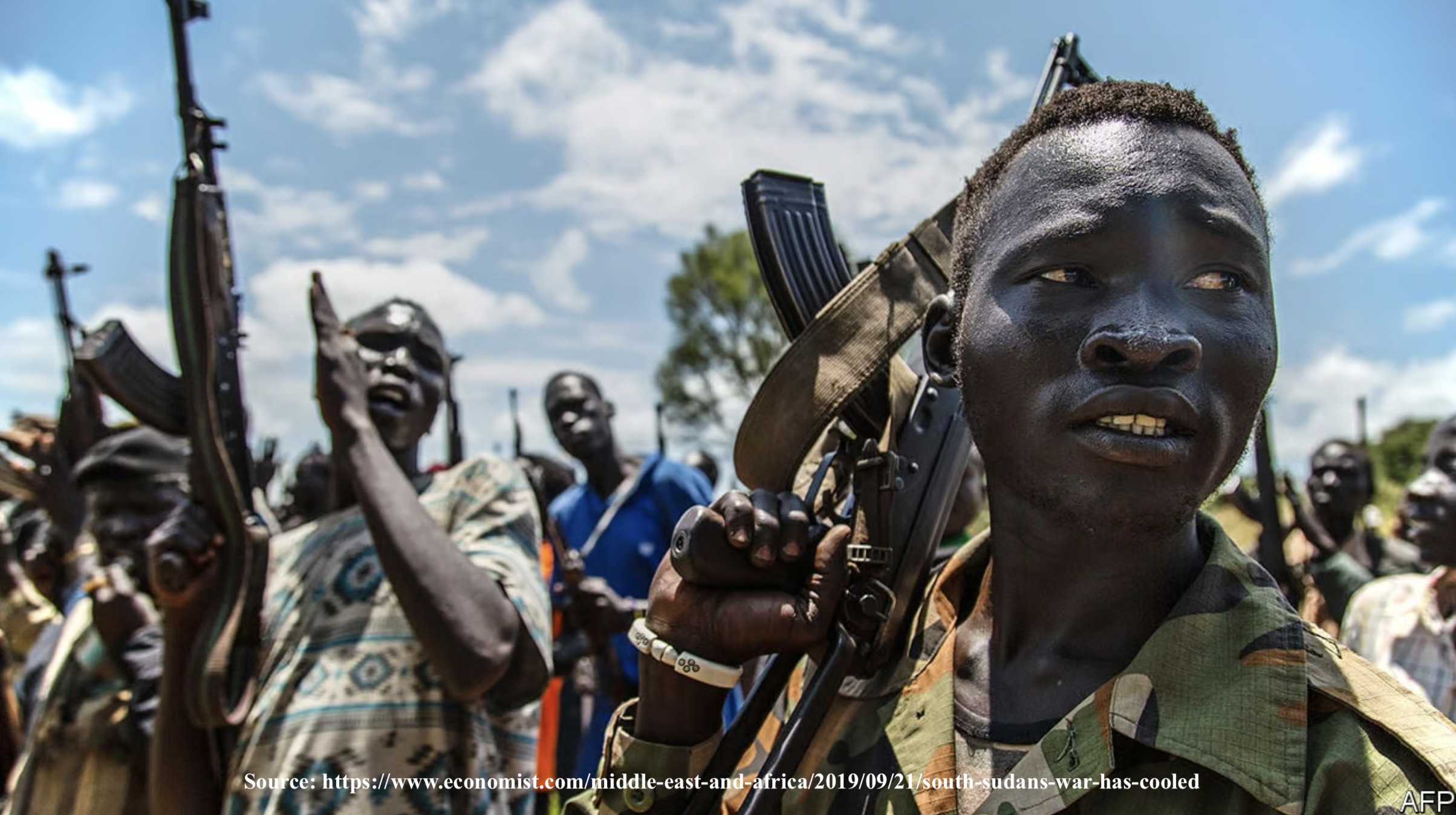
South Sudan became independent from Sudan in 2011 after a long history of ethnic and political conflict. Despite being rich in oil resources, the country continues to be caught in turmoil and violence fueled by ethnic strife, particularly between the Dinka group led by President Kiir and the Nuer group led by former Vice President Machar. Peace agreements signed in 2015 and 2018 failed to stop the violence. This has led to the deaths of hundreds of thousands of people and millions of refugees. The UN's implementation of the Responsibility to Protect (R2P) faces various financial, logistical, and immature understanding of the peace process. Regardless of international efforts, the situation in South Sudan remains fragile, and R2P implementation requires a more comprehensive and adaptive strategy. Therefore, the author seeks to analyze the implementation of R2P in the South Sudan conflict by considering the concept of international organization and Responsibility to Protect (R2P). The author employs a qualitative research method with a descriptive and analytical approach to this article.
Unduhan
Diterbitkan
Terbitan
Bagian
Lisensi
Hak Cipta (c) 2025 Hasanuddin Journal of Strategic and International Studies (HJSIS)

Artikel ini berlisensi Creative Commons Attribution 4.0 International License.