
Hegemonic Stability in a New Era: China as a Global Competitor to the United States
DOI:
https://doi.org/10.20956/hjsis.v3i2.45561Keywords:
Hegemonic stability theory, U.S.–China rivalry, global leadership, Belt and Road Initiative (BRI), power transitionAbstract
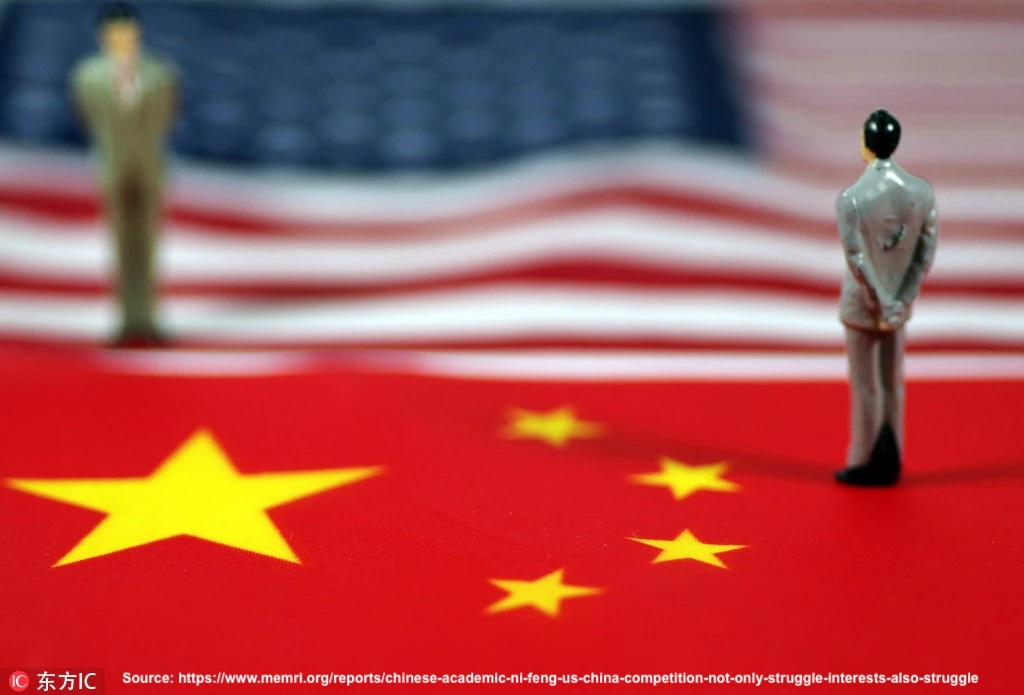
This literature review explores the concept of hegemonic stability in the context of rising global competition between the United States and China. Drawing upon foundational theories of hegemonic stability by scholars such as Robert Keohane, Charles P. Kindleberger, A. F. K. Organski, and Robert Gilpin, alongside Antonio Gramsci’s theory of hegemony, the paper examines how global leadership and stability are maintained through political, economic, and ideological dominance. The review traces the historical evolution of U.S. hegemony and investigates the emerging challenge posed by China's rapid economic growth, global infrastructure investments (notably the Belt and Road Initiative), and increasing international influence. Through a theoretical and empirical analysis, the paper argues that China's ascent marks a shift toward a multipolar world order and raises the question of whether China could potentially displace the United States as the global hegemon. The study concludes by emphasizing the significance of leadership, legitimacy, and consensus in sustaining international stability amid shifting power dynamics.
Downloads
Published
Issue
Section
License
Copyright (c) 2025 Hasanuddin Journal of Strategic and International Studies (HJSIS)

This work is licensed under a Creative Commons Attribution 4.0 International License.